Nvidia now requires companies share the clock speed and power on laptop product pages.
When NVIDIA revealed RTX 30 laptop graphics cards, there are no longer the labels distinguishing between efficient (Max-Q) and full-performance GPUs, making it possible for a laptop with a lower-spec yet full-power chip to outperform a top-end component that’s power-constrained. Now, NVIDIA is trying to minimize - the company now requires laptop makers to be transparent on RTX 30 specs.
“We’re requiring OEMs to update their product pages to the Max-Q technology features for each GeForce laptop, as well as clocks and power – which communicates the expected GPU performance in that system,” an Nvidia spokesperson told The Verge.
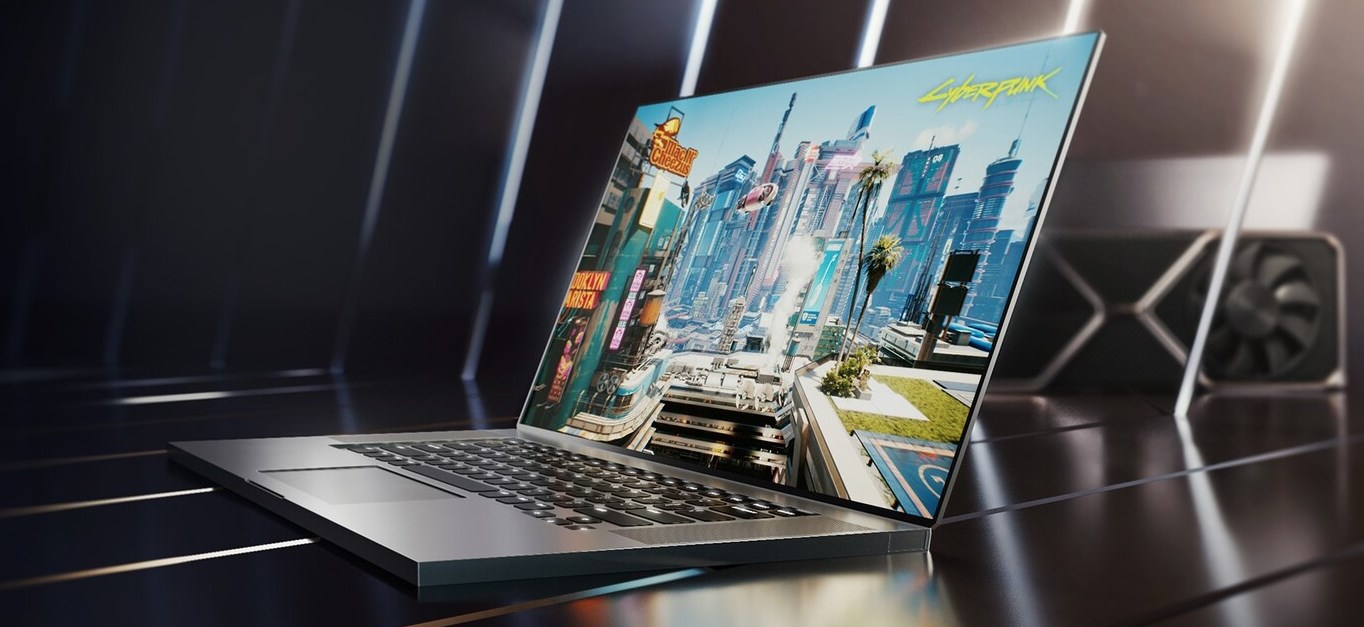
PC builders now have to disclose the clock speeds, power demands and Max-Q features in their product pages to convey the "expected GPU performance" for a given laptop, NVIDIA said. You should get a better sense of which laptops have the most powerful real-world performance. A move that support it easier to shop for a gaming laptop with a new Nvidia graphics chip.


